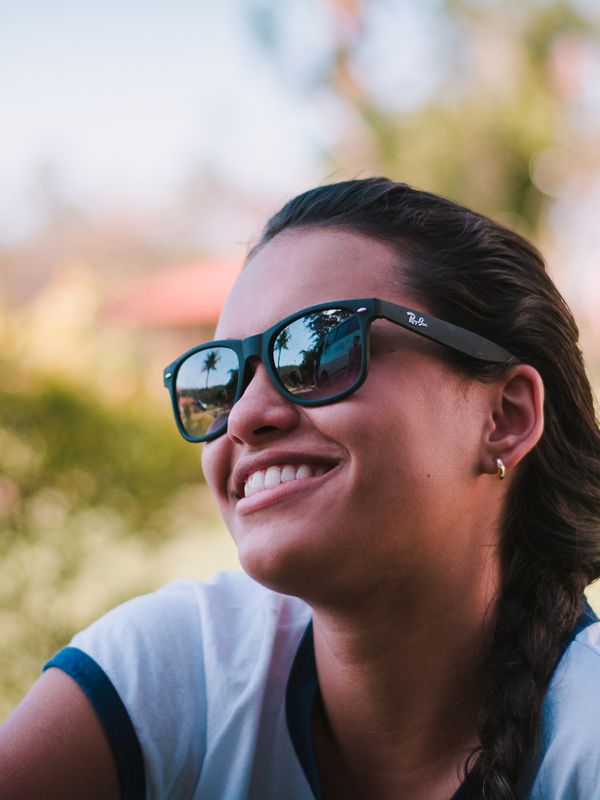
Hinge Top Photo can change which image leads your profile. If you arranged your photos carefully but the public order looks different, check this setting before assuming your edits failed. The more useful decision is whether you want automatic selection or a particular introduction you control. This guide explains the feature, then gives you a way to choose between those approaches without treating a handful of likes as proof that one image is best.
What Hinge says Top Photo does
According to Hinge’s Top Photo documentation, it predicts which uploaded photo is most likely to receive a like and places that image first. The order others see can differ from your editing preview. It can also continue reordering while your account is paused. These details describe a selection feature; they do not give you a personal attractiveness score or show why a particular person chose to like you.
| Your priority | A reasonable approach | What to inspect |
|---|---|---|
| Let the app choose between suitable images | Try Top Photo | Whether every candidate is a good introduction |
| Lead with one specific recent portrait | Use manual order | That the setting and saved order match your intention |
| Show a carefully sequenced story | Review the lineup manually | Whether later photos make sense without a fixed opener |
| Understand why you receive few likes | Use a broader profile checklist | Visibility settings, preferences, photos and prompts |
How to turn Top Photo on or off
- 1Open your profile. Tap your profile photo, then the pencil icon to edit.
- 2Find Top Photo. Enable it to let Hinge select the opener, or disable it to opt out.
- 3Save the change. Hinge says Android saves the toggle automatically; on iOS, tap Done. Reopen the editor to check the setting you saved.
Those are the steps in the official guide checked in September 2026. If the control is missing or does not save in your app, record the version and use Hinge support rather than repeatedly rearranging every image. Write down the problem precisely: a toggle that will not save, an unexpected first image, and a photo that will not upload need different investigations. You can keep using a clear, coherent set while you resolve a display problem.
Choose a set that works in more than one order
- Check each image as an introduction. Imagine it is the only picture someone has seen. Can they identify you? A group image may make sense after a solo portrait but be confusing before one. If you would be unhappy for an image to introduce you, consider replacing it before using automatic selection.
- Keep your appearance consistent. Compare hair, facial hair, glasses and how recent the images are. Variety in outfits and settings is useful; a set that looks like several different periods of your life can be harder to interpret. Keep photos that represent the person someone would meet now.
- Separate a clear face from a striking setting. A mountain view can be a favourite memory while your face occupies very little of the frame. It may still belong later in the set. Do not assume visual drama makes it a useful first portrait; inspect the image at ordinary phone size.
- Give the set more than one subject. A solo portrait, a full-body photo and a real activity give you different kinds of information to work with. Six versions of the same close-up offer little variety even when each is technically sharp.
Improve the candidates before comparing them
If your current set lacks a clear portrait, take one in soft light first. PhotoDating.ai can also generate portrait options from your selfies. Review every result for an accurate likeness and keep real photos that show your current appearance and life. Additional images give you options; they do not guarantee that an automatic selector will choose your favourite or produce more matches.
Review the result without overreading it
Suppose you have a recent solo portrait, a clear café picture and a crowded wedding photo. Your first decision is whether all three make sense as an opener. That is something you can assess directly. Whether the café picture attracts more compatible people is a harder question: the people who encounter your profile, your preferences and your activity can all vary while you compare images. The example illustrates a review process, not a tested result.
- Record what you changed. Note the date, which photos you kept and whether automatic selection is enabled. Avoid changing your prompts, preferences and entire lineup at once if you want to remember what you are reviewing.
- Use a practical review date. Give yourself time to use the app normally, then check back. A week can be convenient for your own routine, but it is not a published testing threshold. A couple of likes do not establish a reliable winner.
- Judge the introduction you want to make. It is reasonable to prefer manual order because one photo represents you clearly, even if another seems to attract attention. You are choosing how to present yourself, not trying to maximise every possible reaction.
For the wider lineup, use our Hinge photo guide and the complete dating photo guide. If your actual concern is an empty incoming queue, go to no likes on Hinge. That checklist covers the settings and profile questions a first-photo selector cannot answer.